
Heart rate zones for running, explained
Running heart rate zones split your effort into five bands, from very easy to maximal. Zone 2 is where most of your weekly volume belongs, zones 3 and 4 cover threshold work, and zone 5 is for short repetitions. The bands only mean anything if they were built from your real maximum heart rate rather than an equation.
The five zones and what each one is for
Zone 1, below 60 percent of maximum, is recovery. Walking, warming up, jogging the day after a race. It should feel like you are barely trying, because you are.
Zone 2, 60 to 70 percent, is where the bulk of your running lives. This is easy pace: full sentences, no strain, and the zone that builds the aerobic base everything else sits on. Most amateur runners spend far too little time here.
Zone 3, 70 to 80 percent, is the moderate band. Steady runs and the lower part of threshold work. It is also the grey zone where undisciplined easy runs end up, which is why it has a slightly bad reputation it does not entirely deserve.
Zone 4, 80 to 90 percent, is threshold and 10K effort. Comfortably hard, sustainable for 30 to 60 minutes when you are fresh, and the zone that raises the pace you can hold before lactate accumulates.
Zone 5, above 90 percent, is for short repetitions and the end of a race. You cannot spend long here, and a training week with more than a few minutes in it is a week you will pay for.
How to set your zones without a lab test
Start by finding a real maximum rather than accepting one. Warm up thoroughly, then run four repetitions of three minutes up a hill as hard as you can manage, jogging back down between them. The highest number you see in the last repetition is close enough to your maximum for training purposes.
Then apply the percentages above. If your maximum comes out at 190, zone 2 runs from 114 to 133 and zone 4 from 152 to 171. Those are the numbers to put in your watch, replacing whatever it calculated for you.
Threshold heart rate is arguably the more useful anchor if you have it, because it moves with fitness in a way maximum heart rate does not. If you have run a recent 10K, your average heart rate over the second half of it is a decent estimate.
Why your watch’s zones are probably wrong
Most watches default to 220 minus your age. That formula has a standard deviation of roughly 10 to 12 beats per minute, which means it is out by more than a full zone for a large share of people. A 40 year old is told 180, and the real figure could sit anywhere between 168 and 192.
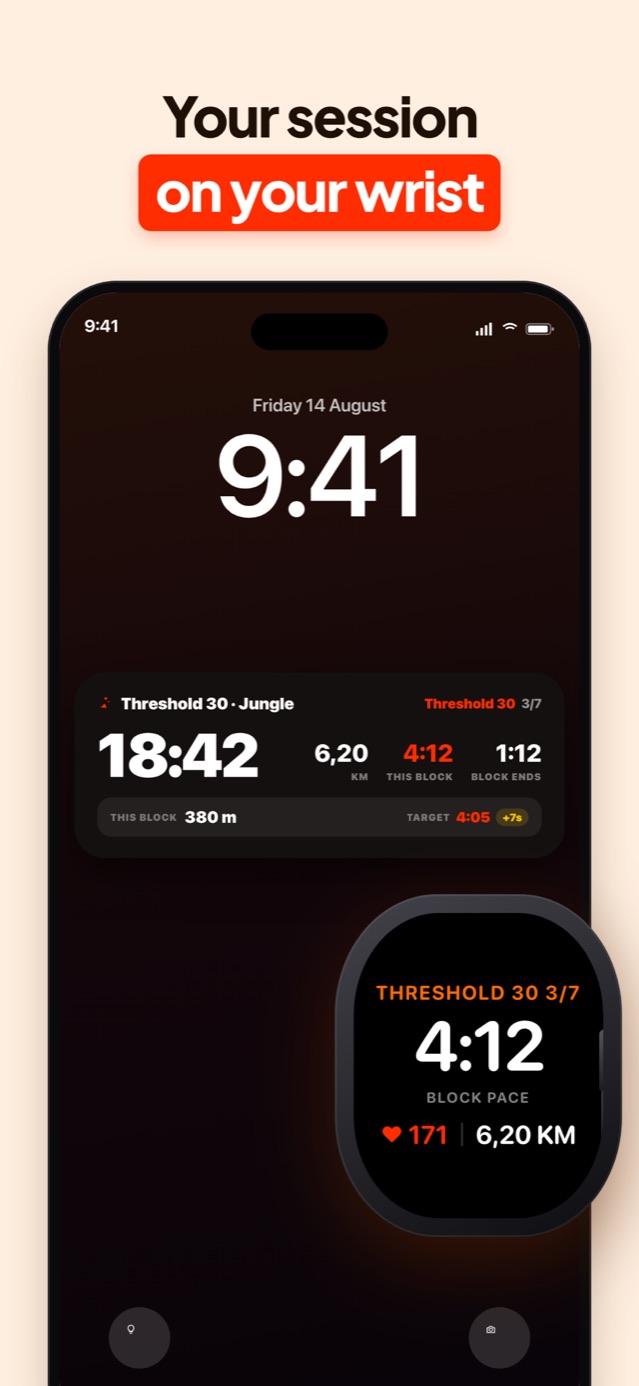
Wrist optical sensors add a second problem. They read reliably at steady efforts and badly during rapid changes, so the first minute of a hard repetition often shows a number 20 beats too low while the sensor catches up. If you train by heart rate on repetitions shorter than about three minutes, use a chest strap.
There is also cardiac drift. During a long steady run your heart rate climbs by 5 to 10 beats over an hour at the same pace, driven by heat and fluid loss rather than by effort. That is normal, and chasing a fixed number will have you slowing down for no reason.
When to ignore heart rate entirely
On short repetitions, because the sensor lag means the number arrives after the repetition has finished. Pace and effort are better guides there.
On hot days, on hills, when you are ill, and when you have had four hours of sleep. In all of those cases heart rate is elevated for reasons that have nothing to do with training load, and following it will either make you run too slowly or convince you something is wrong.
The sensible arrangement is pace as the target, heart rate as the second opinion. When the two disagree over several sessions, that is worth investigating. When they disagree once, it was probably the coffee.
Frequently asked
Is 220 minus age accurate for maximum heart rate?
It is a population average with a spread of about 10 to 12 beats either side, so for any individual runner it is a guess. A hill repetition test gives you a number worth training from in about 40 minutes.
Why does my heart rate climb during a steady run?
Cardiac drift. Over an hour at unchanged pace your heart rate typically rises 5 to 10 beats as you warm up and lose fluid. It is expected, and slowing down to hold a fixed number is usually the wrong response.
Keep reading

How to find your easy run pace, and stop running it too fast
Easy pace is 60 to 90 seconds per km slower than 10K pace. Three ways to check you are going easy enough, and why the grey zone in between costs you.
Read the guide
What is threshold pace in running, and how do you hit it?
Threshold pace is the effort you could race for about an hour. How to work yours out from a race, a time trial or heart rate, and how to run the session.
Read the guide
How to run structured workouts on Apple Watch
How to run a structured interval session on Apple Watch: what the screen needs to show, how to set one up, and whether you can leave the iPhone at home.
Read the guideRun the session instead of reading about it
Samado turns all of this into blocks with pace targets, calls them out while you run, and scores every repetition afterwards.
Download on the App Store